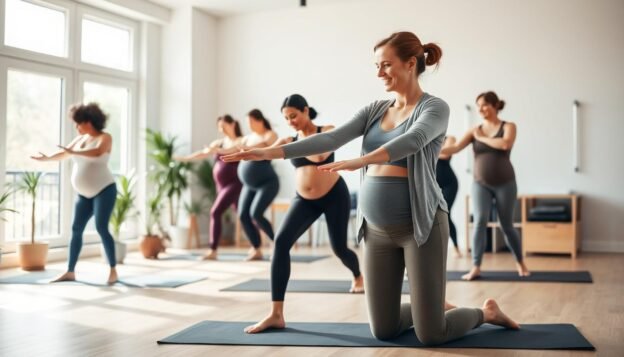
Imagine the joy of welcoming a new baby into your life. You are filled with excitement and love, but soon you may face unexpected challenges. Many women experience postpartum pelvic floor dysfunction, which can lead to symptoms like urinary incontinence and pelvic pain. This condition affects a significant number of mothers in Hong Kong, often impacting their daily activities and overall well-being. You might feel overwhelmed, but there is hope.
Women’s Health Physiotherapy is a specialized approach that can help you regain control over your pelvic health. Through targeted postpartum physical therapy, you can strengthen your pelvic floor and alleviate discomfort. This type of pelvic floor therapy focuses on your unique needs as an active mother. With the right guidance from Women’s Health Physiotherapy, you can manage pregnancy-related pain and reclaim your quality of life. Understanding the importance of women’s pelvic health through Women’s Health Physiotherapy is the first step toward recovery. Embracing this specialized care can lead to significant improvements in your well-being.
Key Takeaways
- Postpartum pelvic floor dysfunction affects many women after childbirth.
- Women’s Health Physiotherapy offers targeted treatment for recovery.
- Strengthening the pelvic floor can alleviate common postpartum symptoms.
- Active mothers in Hong Kong can benefit significantly from specialized care.
- Understanding women’s pelvic health is crucial for overall wellness.
What is Women’s Health Physiotherapy and How Does it Help Postpartum Issues?
Women’s Health Physiotherapy focuses on the unique needs of women, particularly during and after pregnancy. This specialized field addresses various postpartum issues, including pelvic floor dysfunction. Understanding these issues is essential for effective recovery.
Understanding Postpartum Pelvic Floor Dysfunction
After childbirth, many women experience pelvic floor dysfunction. This condition can lead to:
- Urinary incontinence
- Pelvic organ prolapse
- Chronic pelvic pain
These issues stem from the physical changes that occur during pregnancy and childbirth. Women’s Health Physiotherapy provides targeted support to help manage these conditions.
The Role of Women’s Health Physiotherapy in Recovery
Women’s Health Physiotherapy plays a crucial role in recovery. It focuses on:
- Rehabilitating pelvic floor muscles
- Improving muscle strength and coordination
- Managing pain related to pregnancy and childbirth
Through individualized care, you can regain control and improve your quality of life.
Specific Techniques Used in Women’s Health Physiotherapy
Several techniques are utilized in Women’s Health Physiotherapy, including:
- Pelvic floor muscle training
- Manual therapy for pain relief
- Biofeedback to enhance muscle awareness
These methods aim to empower women by providing the tools needed for effective recovery.
Women’s Health Physiotherapy is vital for addressing postpartum pelvic floor dysfunction. By focusing on rehabilitation and education, it supports women through their recovery journey. Understanding these aspects can lead to improved health and well-being.
Why Should Active Mothers Consider Women’s Health Physiotherapy?
Active mothers in Hong Kong face unique challenges during postpartum recovery. Women’s Health Physiotherapy offers essential support to help you regain strength and confidence. This specialized therapy focuses on your needs, ensuring a smooth transition back to your active lifestyle.
Benefits of Tailored Physiotherapy for Active Mothers
Tailored physiotherapy provides numerous benefits, including:
- Improved pelvic floor strength
- Effective incontinence treatment
- Enhanced core stability through diastasis recti rehabilitation
- Better overall wellness and energy levels
How Women’s Health Physiotherapy Improves Quality of Life
Engaging in women’s wellness therapy can significantly enhance your quality of life. You may experience:
- Reduced pain during daily activities
- Improved bladder and bowel control
- Increased confidence in social and physical activities
Addressing Common Concerns with Women’s Health Physiotherapy
Many mothers have concerns about the therapy process. Common questions include:
- What is the duration of treatment?
- Will my privacy be respected during sessions?
- How effective is the therapy for my specific needs?
Women’s Health Physiotherapy prioritizes your comfort and privacy, ensuring a supportive environment. You can expect effective results tailored to your individual circumstances.
| Benefit | Description |
|---|---|
| Pelvic Floor Strength | Helps prevent urinary incontinence and supports recovery. |
| Core Stability | Rehabilitates diastasis recti for better posture and strength. |
| Quality of Life | Enhances overall wellness and reduces discomfort. |
What Types of Treatments are Available in Women’s Health Physiotherapy?
Women’s Health Physiotherapy offers a variety of treatments to address postpartum pelvic floor dysfunction. These treatments focus on restoring strength, improving function, and promoting overall wellness. Understanding these options can help you make informed decisions about your recovery journey.
Manual Therapy Techniques
Manual therapy techniques play a crucial role in women’s pelvic health. These hands-on methods help relieve muscle tension and enhance tissue mobility. Common techniques include:
- Myofascial release
- Trigger point therapy
- Soft tissue mobilization
These approaches can effectively alleviate discomfort and support your healing process.
Exercise Therapy for Postpartum Recovery
Exercise therapy is a cornerstone of postpartum physical therapy. It focuses on:
- Pelvic floor muscle strengthening
- Core stabilization
- Diastasis recti rehabilitation
Engaging in targeted exercises can restore strength and function, helping you regain confidence in your body.
Education on Pelvic Health
Education is essential in promoting long-term wellness. Learning about pelvic anatomy, bladder and bowel habits, and lifestyle modifications empowers you to maintain your pelvic health. Knowledge is a powerful tool in preventing future dysfunction.
| Treatment Type | Description | Benefits |
|---|---|---|
| Manual Therapy | Hands-on techniques to relieve tension | Improves mobility and reduces pain |
| Exercise Therapy | Targeted exercises for strength | Restores function and supports recovery |
| Education | Information on pelvic health | Empowers long-term wellness |
In summary, Women’s Health Physiotherapy combines manual therapy, exercise therapy, and education to address postpartum issues effectively. These treatments work together to promote recovery and enhance your quality of life.
How Can You Find a Qualified Women’s Health Physiotherapist in Hong Kong?
Finding a qualified Women’s Health Physiotherapist in Hong Kong is essential for your recovery and overall wellness. You want to ensure that your therapist has the right expertise in postpartum pelvic floor dysfunction. Start by looking for professionals who have the necessary certifications and training in women’s wellness therapy. This background is crucial for effective treatment.
Tips for Choosing the Right Specialist
When searching for a physiotherapist, check their credentials. Look for specialists with experience in pelvic floor therapy and a focus on postpartum physical therapy. Patient reviews can provide insight into their approach and effectiveness. Consider reaching out to local health organizations for recommendations as well.
Questions to Ask Potential Physiotherapists
During consultations, ask about their experience with prenatal physiotherapy and perinatal physiotherapy. Inquire about their treatment methods and how they tailor their approach to individual needs. Understanding their philosophy on women’s health can help you gauge compatibility.
Importance of Credentials and Experience in Women’s Health Physiotherapy
Credentials are vital in women’s health physiotherapy. Look for therapists with specialized training and board certification. Ongoing education is important in this field, as it ensures that your therapist stays updated on the latest techniques and research. This commitment to learning can greatly enhance your recovery experience.